A reflection of the success of their grant project.
As a Museum we felt that it was vital that younger people were central at every stage of the process, which has caused delays. This, alongside the extra research required to produce some elements has meant that the initial, preparation phase of the project, has taken longer than planned. However, we are pleased with the results and have tried to fulfil as many of the amazing suggestions put forward by the young people we have worked with within the project.
Working with the University of Chester
Improving our digital presentation throughout the Museum was a strong suggestion throughout the consultation process. We were able to work with computer science students from the University of Chester who produced an amazing number of suggestions. These were selected for inclusion in this initial project.
Bringing the trench to life through sound and archival images.
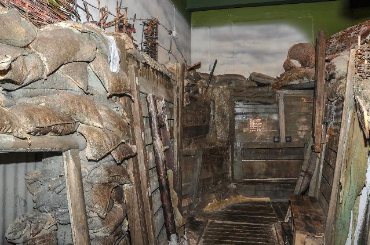
The trench in our World War One gallery is consistently mentioned as a favourite exhibit when visitors give feedback to us. However, many of the young people we spoke to said that they would like sound in the space to bring it to life. We have taken this on board and also included projecting images from our archive, many of them taken at, or close to the front line. Students from the University of Chester have constructed a system which allows these images and sounds to be triggered by the visitor while still allowing staff to turn it off if necessary. Final testing and installation took place in October, with the exhibit complete and working. On 11th November we will be promoting this with a press release and social media.
Using QR codes to link to more information about important objects and events.
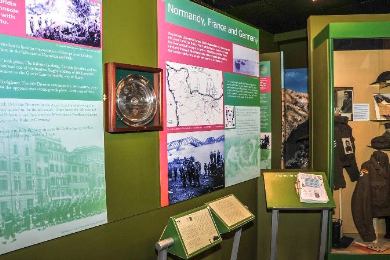
When selecting the objects to be included we used suggestions from our ‘Young Curators’ project which was led by a class of key stage 2 pupils from a local primary school, suggestions of placement students (Key stage 3) and the university students themselves. Final object choices have been made and information collated for most of these. Now that the bulk of the research has been completed, this information will be accessible to the public very soon.
Improvements to World War Two gallery
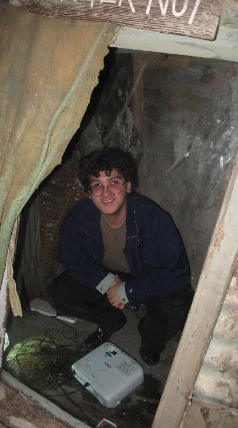
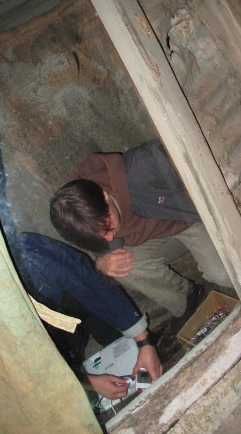
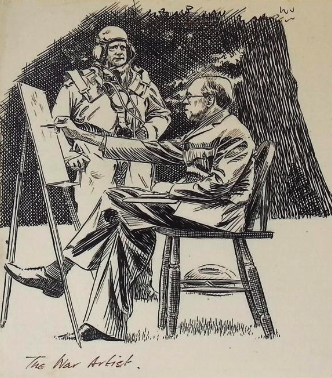
This project has allowed us to include archival material not currently on display in our World War Two area. This gallery is very narrow which limits what we can do here. The inclusion of a new slim screen using discreet Raspberry Pi computing technology (also used in the new trench exhibit) has allowed the visitor to view the material without blocking access for others. It also increases greatly the amount of archival content we can show. Life on the Home front is an important theme within our collection, but with the limited space in this gallery we were previously not able to include some of the most important archives we hold. Working with a student from a local High School we identified the Williams & Williams photograph book as perhaps the most important of these resources. This was due to the factory’s proximity to the Museum and because of its link to Women’s roles on the home front. The student also selected the images and created the display. Other students have been involved in digitising the Sidney Williams collection of sketches from World War Two. These were previously viewed behind laminated sheets and were often overlooked. Again, through this project we have engaged with young people to make the material more accessible to them and so that the finished output is more appealing to visitors of all ages.
Museum Yard
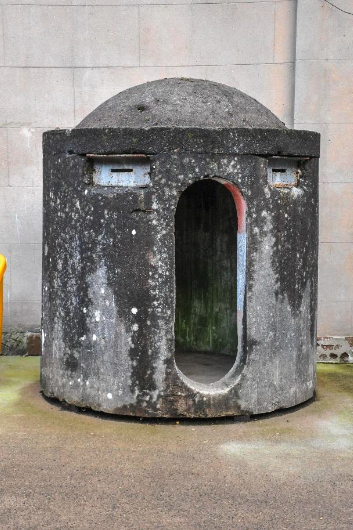
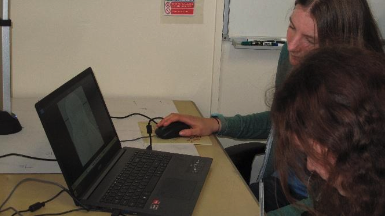
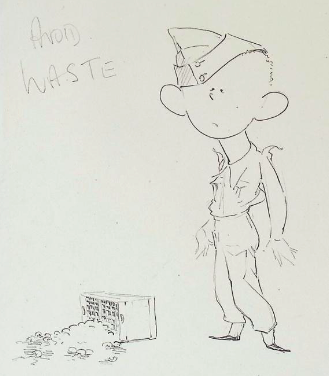
Many of the young people we have worked with on this project felt that the yard was underused and uninspiring and that the signage for some of the exhibits there was inadequate. People often asked us what our pill box was. It was also noted that dwell time in this area, even in the summer was not as long as we were hoping for. Therefore we felt that improvements in this area were essential to deliver better engagement with younger audiences.
We started by designing simple updated signage for the pill box which can be easily updated – hopefully we will be able to link it to a new digital game in the future as this was one of the brilliant suggestions put forward by our computer science students.
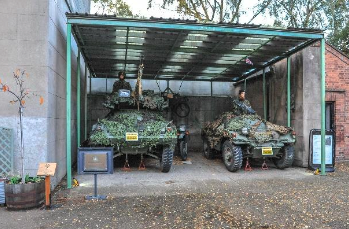
Improvements to the armoured vehicles have also taken place to make them more of a feature as they are consistently popular with younger audiences. A QR code link is being developed separate to this project with input from a veteran who used the vehicles to give more insight and context to this exhibit in the future.
Within the yard we have a small dig for victory section of raised beds. Many visitors and school children have suggested an Anderson Shelter would be a great addition to our display, putting the pill box and nearby planting into context and allowing an immersive experience to visitors.
The shelter now gives us a proper focus to the area and allow hands on exploration of Home Front themes through physical objects and information, giving a different kind of experience to that which we have created in the trench.
The physical upgrade to this space has been necessarily delayed until late autumn/winter so that it does not impact our schools sessions and also so that the plants in our garden could complete their growing cycle. The shelter parts and other materials are on site ready for construction to begin.